
Construction Worker Injured After Falling Into Trench
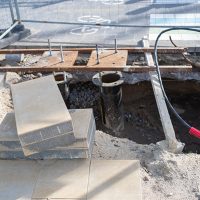
Construction sites can be very dangerous. Trenches can be especially treacherous due to their depths and threat of collapse.
This was recently the case in New York. A construction worker recently fell into a trench, requiring an extensive rescue operation. The incident happened on the morning of July 8 in East Harlem.
Emergency crews acted quickly to help the trapped worker, arriving within three minutes after receiving the 911 call. The worker has fallen into a trench at the intersection of 108th Street and Second Avenue at the Second Avenue Subway construction project site.
Close to 100 FDNY members were called in for the rescue and there were 15 pieces of emergency apparatus on site.
Rescue teams set up a high-point rigging system over the trench to safely extract the injured worker. They used specialized ropes and mechanical advantage systems to pull the injured worker to safety. Crews had to make sure all local electrical and gas utilities were completely shut off before entering the ditch. They also had to monitor the air quality inside the space.
The worker was successfully raised out of the trench and placed onto a stretcher. They were conscious and immediately taken to Mount Sinai Hospital for medical treatment.
The injured worker has not been identified. The extent of their injuries is unknown, but they are expected to survive. The accident scene is under investigation.
Dangers of Trenches on Construction Sites
Trenches are essential for many construction projects, allowing crews to install utilities, repair underground infrastructure, and lay foundations. However, they are also among the most dangerous work environments in the construction industry. Even a trench that appears stable can collapse without warning, trapping workers under thousands of pounds of soil in seconds.
The greatest danger in trench work is a cave-in. Soil can shift due to weather, vibrations, nearby equipment, or the natural composition of the ground. A single cubic yard of soil can weigh well over a ton, meaning workers caught in a collapse may suffer crushing injuries or suffocation.
Common causes of trench collapses include:
- Failure to use protective systems
- Unstable or saturated soil
- Heavy equipment operating too close to the trench edge
- Spoil piles placed near the trench
- Rain, flooding, or groundwater intrusion
- Vibrations from traffic or construction equipment
Open trenches create a significant fall hazard for workers and pedestrians. Falling into a trench can result in:
- Broken bones
- Head injuries
- Spinal cord injuries
- Internal injuries
- Lacerations
Workers inside a trench are vulnerable to tools, construction materials, rocks, or equipment falling from above. Falling objects can cause:
- Head trauma
- Facial injuries
- Broken bones
- Eye injuries
Keeping materials at least two feet from the trench edge and requiring hard hats are important safety measures.
Contact Us for More Information About Workers’ Compensation Benefits
Trenches can be dangerous. They are often very deep and subject to collapse, making rescue efforts tricky.
If you have been injured in the workplace, contact a White Plains workers’ compensation lawyer from The Law Office of Michael Lawrence Varon. We can assess your case and help you understand your options for compensation. Fill out the online form or call (914) 228-1770 to schedule a consultation today.
Source:
fox5ny.com/news/mta-construction-worker-rescued-after-falling-10-foot-trench-construction-site
