
How Video Technology Is Transforming Construction Safety In New York
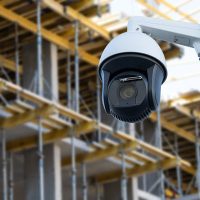
New safety technology is helping companies across many industries cut workers’ compensation claims and curb fraud. But in construction, the impact is especially visible — and it’s all caught on camera.
Arrowsight, a safety technology company that specializes in video-based behavioral coaching and analytics, originally developed its technology for industries such as healthcare, food processing, and manufacturing. However, the founder identified construction as a field where visual monitoring and behavioral coaching could have a major safety impact.
Through a partnership with Arrowsight, construction sites are now outfitted with advanced cameras that monitor high-risk activities in real time. These cameras capture unsafe behaviors, such as workers walking beneath heavy loads suspended by cranes or failing to secure safety harnesses while working at extreme heights. When dangerous actions are detected, the footage is flagged by trained analysts, safety supervisors are alerted, and workers receive targeted feedback and coaching.
Dramatic Results in New York Construction
In New York, where workers’ compensation costs and claim severity rank among the highest in the country, the results have been so striking that insurer Zurich North America announced it will only provide coverage for construction wrap-up projects that implement Arrowsight’s video analytics and coaching program.
A three-year, $2 billion pilot program spanning nine major New York City construction sites reported a more than 70% reduction in workers’ compensation claims. The program also nearly eliminated racketeering-related cases.
How the Technology Works
Arrowsight uses fixed-position cameras that are mobile, battery-powered, and equipped with cellular connectivity, allowing them to operate without traditional power sources or internet connections. The footage is reviewed by a team that includes civil engineers, who analyze risky work practices and develop short coaching videos that are similar to sports highlight reels. Supervisors can use them to train workers and reinforce safer behaviors.
According to pilot program data, the technology boosted worker safety compliance rates from about 70% before implementation to between 97% and 100% afterward.
FAQs
Q: Is video surveillance legal on construction sites?
A: Yes, video surveillance is generally legal on construction sites, especially in public or semi-public work areas where workers do not have a reasonable expectation of privacy. However, laws vary by state, and employers should never install cameras in private areas such as restrooms, locker rooms, or break areas.
Q: Do employers have to notify workers about surveillance?
A: Yes. Many states require employers to inform workers that video monitoring is in use. Even when not legally required, best practices include clear signage, written policies, and employee training explaining the purpose of surveillance.
Q: Can surveillance footage be used to discipline or terminate workers?
A: Yes, video footage may be used as evidence in disciplinary actions, including termination. However, employers must apply policies consistently and ensure disciplinary actions comply with labor laws, union contracts, and company procedures.
Contact Us for More Information About Workers’ Compensation Benefits
Construction sites can be dangerous, and employers need to take advantage of any technology that can help keep job sites safe.
Accidents can lead to injuries and lawsuits. If you have been affected, contact a White Plains workers’ compensation lawyer from The Law Office of Michael Lawrence Varon. To schedule a consultation, fill out the online form or call (914) 228-1770.
Source:
cnbc.com/2025/11/14/workers-comp-insurance.html
