
What Does An Honorable Discharge Really Mean?
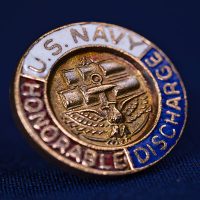
Many service members assume that receiving an honorable discharge means their military record is completely free of issues but that is a misconception. An honorable discharge simply shows that a servicemember met or exceeded expected standards of performance and conduct during their service. It does not guarantee that all other aspects of their service record are flawless or fully resolved.
An honorable characterization reflects the overall way someone served, but it does not automatically erase or correct other details, like administrative notes, medical findings, or legal matters in your record. Those elements can still have real consequences long after separation.
You could receive an honorable discharge but have notations for issues like:
- Substance abuse: Drug/alcohol issues often result in separation codes, even if the overall discharge is honorable.
- Physical readiness: Failure to meet fitness standards can lead to separation with specific notations.
- Parental issues: Being discharged for parenthood can carry specific codes.
- Medical separations: A medical discharge, even if honorable, will have medical details on your record.
One important example is the reenlistment eligibility code (RE code) on the DD-214. Even with an honorable discharge, this code can limit your ability to reenlist or affiliate with the Guard or Reserve if it indicates restrictions. Many veterans do not notice this at separation and run into problems years later.
Another part of your record is the narrative reason for separation, which is a sentence or phrase explaining why you left service. This narrative stays with your record and may show things like medical issues or administrative separation reasons. Employers, background checkers, and security clearance reviewers often see this information, and an honorable discharge does not overwrite it.
Medical findings made at separation also remain relevant. You can be honorably discharged even when a medical board has found you unfit for certain duties. These findings can surface again during VA benefit claims, where incomplete or unfavorable records may slow or complicate decisions.
Another thing to consider is paperwork mistakes, like errors on your DD-214 or missing treatment records, are not automatically fixed just because your discharge was honorable. These errors can affect jobs, benefits, and federal applications later on.
So while an honorable discharge means you served well, it does not guarantee your record is free of issues or that everything in it favors you. Before you separate, check your DD-214 carefully, understand your reenlistment code and narrative reason for separation, make sure your medical record is complete, and correct errors while you still can. Acting early can help you avoid unnecessary headaches when applying for benefits, employment, or future service.
Learn More About Veterans Benefits
Even if you have an honorable discharge from your military service, all may not be well. You could have issues on your record that affect benefits and more.
A White Plains veterans disability benefits lawyer from The Law Office of Michael Lawrence Varon can help you understand your eligibility for benefits. To schedule a consultation, fill out the online form or call 914-294-2145.
Source:
military.com/feature/2025/12/17/why-honorable-discharge-does-not-mean-your-record-clean.html
